Senior Care Near Me: Just how to Discover the most effective Local Alternatives
Business Name: BeeHive Homes of Taylor Ranch
Address: 6004 Whiteman Dr NW, Albuquerque, NM 87120
Phone: (505) 302-1919
BeeHive Homes of Taylor Ranch
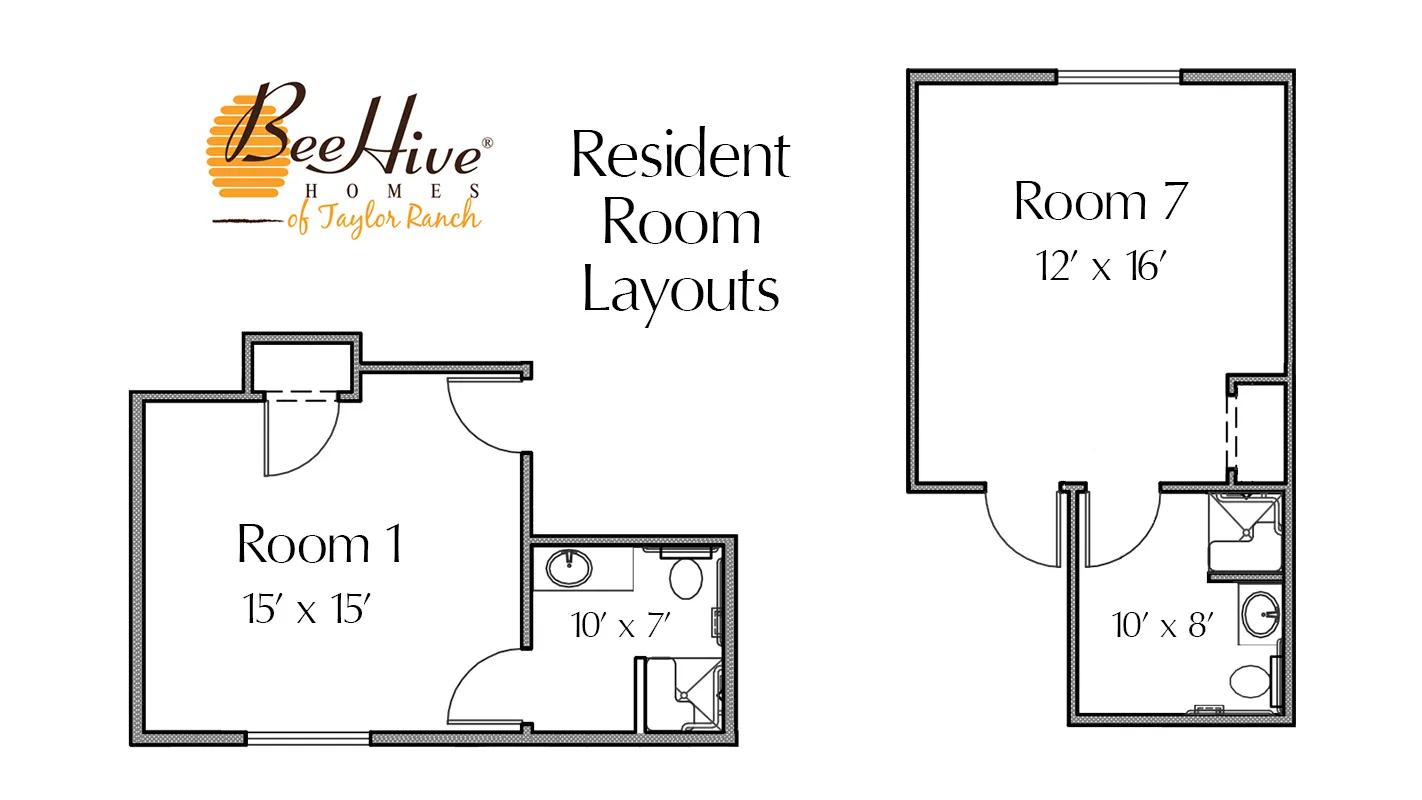
At BeeHive Homes of Taylor Ranch, New Mexico, we offer the finest assisted living experience available in a cozy, comfortable homelike setting. Each of our residents has their own spacious room with an ADA approved bathroom and shower. We prepare and serve delicious home-cooked meals three times a day every day. We maintain a small, friendly elderly care community. We provide regular activities that our residents find fun and contribute to their health and well-being. Our staff is attentive and caring and provides assistance with daily activities to our senior living residents in a loving and respectful manner. We would like to invite you to tour and experience our assisted living home and feel the difference.
6004 Whiteman Dr NW, Albuquerque, NM 87120
Business Hours
Finding the ideal senior care neighboring is rarely a clean, neat decision. Households usually begin with a straightforward search, possibly "senior care near me" or "assisted living near me," and rapidly recognize the real job starts after the search results page show up. The listings can obscure with each other. Some neighborhoods look refined online but really feel impersonal personally. Others seem modest on the surface and turn out to have a warm, conscientious culture that households count on for years.
The finest neighborhood alternative is not always the biggest facility, the most recent structure, or the one that rates greatest in a directory site. It is the location that matches the older adult's day-to-day demands, individuality, health and wellness conditions, budget, and preferred lifestyle. That appears uncomplicated till you are contrasting meal plans, drug support, transportation timetables, memory care services, and regular monthly fees while likewise attempting to keep a parent safe and calmness through a major transition.
I have actually seen family members make better choices when they reduce and deal with the search like a useful examination rather than a rushed rescue objective. The goal is not just to locate senior living. The objective is to discover the appropriate fit for one person, in one local market, at one specific stage of life.
Start with the actual care demand, not the group name
A great deal of families begin by asking whether they need assisted living, senior care, or something more specialized. Those tags issue, yet they are not the most effective starting factor. The much better question is what daily tasks have actually become tough, and just how often.
If a person needs aid with showering, dressing, transfers, or medication reminders, assisted living might be appropriate. If the main problem is loneliness, inadequate nutrition, missed out on consultations, or safety problems after a partner dies, a lower-intensity senior living area with encouraging solutions could be sufficient in the meantime. If the person is recuperating from surgery or the family members caregiver needs a short break, respite care can load a valuable space without committing to a long-term move.
What often gets missed out on is the difference between periodic assistance and regular assistance. An individual can look great during a one-hour household visit and still be having a hard time every early morning with socks, showers, and reaching breakfast promptly. That is why a clear image of everyday routine matters greater than an obscure sense that "extra aid" would be nice.
I recommend families ask themselves where the tension is actually happening. Is it medication management? Roaming at night? Loss in the restroom? Seclusion? Missed out on meals? When you understand the stress factors, it ends up being much easier to sort with local options and prevent paying for solutions that do not resolve the real problem.
Search in your area, yet search with filters
Typing "senior care near me" into an online search engine can be valuable, yet it is just the initial pass. The results have a tendency to favor whoever has the most effective advertising and marketing, not necessarily the best care. Local directories, state licensing databases, health center discharge coordinators, elder regulation lawyers, geriatric care managers, and trusted medical professionals commonly offer a more well balanced view.
Local expertise matters due to the fact that senior care is extremely regional. 2 assisted living neighborhoods that look similar theoretically may vary sharply in staffing, eating top quality, transport accessibility, or just how swiftly they react to a phone call button. In some locations, waiting checklists are long. In others, rates is unpredictable or solutions are packed in ways that are not apparent initially glance.
One useful habit is to look by need rather than by common label. As an example, if a parent has early memory loss, search for communities that point out cognitive assistance, not just senior living. If the partner is the primary caretaker and needs a weekend break off, search for respite care near the home, not simply long-term positioning. If mobility is the concern, take notice of washroom design, elevator accessibility, and drop prevention features.
You are not just seeking ease. You are searching for expediency. A close-by community that is impossible to visit regularly as a result of web traffic, car parking, or distance from the remainder of the family might not be the best regional alternative after all.
What divides a great community from a merely suitable one
The first point I notice in a strong senior care setting is not the design, although tidy usual spaces issue. It is the rhythm of the location. Do staff members know residents by name? Do they react without delay when someone requires help? Does the dining room feel calm and arranged, or rushed and transactional? Are homeowners engaged, or simply parked in front of a television?
These information disclose the culture. They also disclose whether the personnel is extended also slim. A neighborhood can look appealing and still operate on bare-minimum insurance coverage. Families often discover this only after move-in, when the tour glow discolors and the useful facts start showing up at 7 a.m., at lunch, and during the overnight shift.
A solid assisted living community usually has a few top qualities that stand apart rapidly. The team interact clearly without talking over the resident. They can discuss levels of care in simple language. They know what is included in the base price and what triggers a surcharge. They welcome inquiries rather than attempting to shut the sale as fast as possible.
Trust your observations more than the sales brochure. If a resident requests for aid and the reaction is respectful yet delayed, that informs you something. If the team member look rushed during a tour and can not address standard questions without talking to someone else, that also tells you something.
Questions that deserve asking before a tour ends
Some family members tour numerous places and entrust to a stack of glossy folders however no genuine clarity. Much better concerns normally produce far better solutions. You do not require to interrogate the personnel, however you do require to press past the surface.
Before you leave, ask just how care plans are developed and just how frequently they are examined. Ask what occurs if a resident's demands increase. Ask that takes care of nighttime assistance. Ask whether the very same aides work frequently with the same locals or whether staffing rotates regularly. Inquire about drug administration, bathing assistance, transportation, and how they handle drops or abrupt health and wellness changes.
It likewise aids to inquire about the functional side of daily life. What does morning meal service look like? Can locals eat when they wake up, or throughout a dealt with home window? Are animals permitted? What takes place if someone intends to leave for an afternoon with household? Are there sufficient activities for withdrawn citizens, not just the social ones?
Those information matter due to the fact that senior care is lived hour by hour, not pamphlet by pamphlet. A community can be scientifically audio and still really feel wrong if it does not match the resident's habits, choices, or personality. A peaceful previous instructor might do badly in a high-energy, group-heavy atmosphere. A very social resident might end up being withdrawn in a place that feels too stiff or also quiet.
Tour indications that tell you more than the sales packet
During visits to assisted living or various other senior living settings, I pay attention to the small things. They typically inform the bigger story.
If citizens are being in typical areas yet not communicating, that may indicate the schedule is slim or the setting is not welcoming. If everyone shows up well groomed and appropriately dressed, that normally indicates regular assistance. If call lights go unanswered for a very long time, or personnel seem distressed when residents require something, that is a worry no matter the tour presentation.
The cleanliness of bathrooms, hallways, and dining spaces is one more trusted idea. So is odor. Family members often be reluctant to state it, yet it matters. Solid scents can indicate poor housekeeping, poor incontinence assistance, or both. On the silver lining, a place that scents clean without smelling greatly scented generally has excellent upkeep habits.
Also notification whether citizens look settled. Do they have individual products in their rooms? Are there pictures on the wall surfaces, favored chairs, blankets, or books? Those touches suggest that the neighborhood sustains individuality rather than compeling everybody into the exact same pattern.
If feasible, visit more than once. A solitary polished tour on a weekday morning is not enough. Return at lunch, late mid-day, or very early night if you can. The state of mind of a place usually changes over the course of the day, which adjustment can inform you a large amount regarding staffing and routines.
Budget is not simply rate, it is predictability
Cost is where several households get tripped up. A regular monthly rate appears workable up until you find that medicine administration, individual care, second-person help, transportation, memory support, or special eating demands are billed independently. That is why contrasting senior care near me choices needs more than aligning base rates on a spreadsheet.
Ask for a full fee schedule and read it thoroughly. Some communities are transparent. Others are practically sincere however tactically unclear. An area may promote one month-to-month number and then add fees for almost every sensible requirement. Another might charge a greater base rate however consist of a larger series of services. The 2nd option can really be much more budget-friendly once you represent everyday life.
The ideal comparison is not "which is most inexpensive," but "which is most predictable over the following 6 to twelve months." A family with a parent who requires aid 4 times a day need to not choose a location that looks economical up until the add-ons begin. Likewise, a resident who is stable and independent should not be pressed right into a higher-cost setup just because the sales procedure is smoother.
Budget planning need to additionally make up the future. If the resident's mobility decreases, will they have the ability to remain in place with added support? Or would that need a relocation? A neighborhood that can adjust may conserve senior living both money and psychological disturbance later.
The role of respite care in making an excellent decision
Respite care is one of one of the most underused tools in senior care preparation. Family members usually think about it as an emergency back-up, but it can additionally be a wise trial run. If you are not sure whether a parent can deal with assisted living, a short respite remain can reveal a whole lot in a couple of days or weeks.
That trial period can show how the individual sleeps in a brand-new setting, whether they consume well, how they respond to shared meals, and whether the staff can handle their routines. It can also give the key caregiver a break enough time to think plainly. That matters. Worn out families make faster choices, not much better ones.
I have actually seen situations where a respite remain validated that full-time assisted living was appropriate. I have also seen the contrary, where a brief keep revealed that the individual required a different kind of assistance, possibly home take care of now or an area with even more memory-focused services. In any case, respite care can decrease guesswork.
If you are considering this path, ask whether the neighborhood deals with respite locals like momentary guests or integrates them right into typical regimens. The far better locations do not separate short-term homeowners. They fold them into meals, activities, and care rhythms so you get a reasonable photo of daily life.
When memory concerns change the search
A household might start looking for general senior care and then understand cognitive decline belongs to the photo. That alters the equation. Amnesia affects safety, medication adherence, social behavior, and the capacity to browse regimens separately. In those instances, the best senior living option needs more than a good home and standard aid with laundry.
Look for a community that can describe how they support locals with memory impairment in functional terms. Ask how they manage roaming, confusion, agitation, and sundowning. Ask whether team get specialized training. Ask exactly how they connect with family when habits adjustments. The responses must be specific, not obscure reassurances.
An usual mistake is thinking that a person with moderate amnesia will simply "fit in" anywhere. Often that holds true for some time. More often, the mismatch shows up later, when the resident comes to be dizzy, nervous, or socially withdrawn. Areas that are thoughtful regarding memory assistance often tend to have calmer regimens, more clear signs, and team that recognize how to reroute without intensifying tension.
The ideal local option in this situation may not be the nearby one. It may be the one that comprehends the distinction in between basic assisted living and a setup developed for more organized cognitive support.
A functional means to tighten the field
At some factor, family members need a basic method to compare alternatives without drowning in brochures and emotions. This is where self-control helps. Focus on the handful of elements that matter most for the resident's quality of life and safety.
Use this type of filter when comparing locations:
- Daily care fit, meaning the degree helpful matches the real needs.
- Staff high quality, including responsiveness, interaction, and turn over clues.
- Cost clarity, with all costs described in writing.
- Location comfort, so visits, duties, and clinical visits are realistic.
- Future flexibility, especially if needs transform over time.
That brief structure suffices to get rid of many bad suits. It additionally keeps family members from getting distracted by minor functions that matter much less than they appear, such as a better entrance hall or a fancier activity calendar.
Choosing in between staying close and picking the stronger fit
Families often want the senior care alternative that is closest to home, which impulse makes sense. Closeness can relieve visitation, protect area ties, and simplify emergency situations. Yet "nearby" is not immediately "ideal." Sometimes the toughest choice is twenty mins further away, but has much better staffing, clearer prices, or a calmer environment.
The trade-off is entitled to sincere idea. If the older adult still drives, if the household visits daily, or if the neighborhood assistance network is solid, proximity may bring even more weight. If the resident requirements consistent help with personal care or has complicated cognitive issues, top quality may matter more than distance.
I have actually seen households are sorry for choosing the closest center even if it was hassle-free. I have likewise seen family members regret choosing one of the most excellent area since it called for so much traveling that visits ended up being rare. The right balance depends on the individual, the family members, and just how much aid the resident will require 6 months from now, not simply this week.
Making the final phone call with confidence
A good choice normally really feels much less significant than individuals anticipate. It does not feel perfect. It really feels practical. The space appropriates. The personnel are qualified. The budget plan makes sense. The location is convenient. The resident might even have some preferences that still need adjusting, but the overall fit is sound.
When family members are making a decision among assisted living, senior living, or various other forms of senior care, they in some cases await an enchanting certainty that never comes. There is no best location, only a much better or worse match for the present situation. The best regional choice is the one that shields self-respect, sustains wellness, and can adjust as needs evolve.
If the search started with "senior care near me" or "assisted living near me," that is fine. Those searches open the door. The genuine job is much deeper. It implies looking beyond polished marketing, asking functional inquiries, and focusing on how a place feels when actual people are living their daily lives there.
A thoughtful search takes some time, yet that time is well spent. The appropriate neighborhood can lower stress, bring back regular, and offer both the resident and the family members a far better lifestyle. That is the result worth going for, also if it takes a couple of excursions, a few difficult questions, and a couple of truthful discussions to get there.
BeeHive Homes of Taylor Ranch provides assisted living care
BeeHive Homes of Taylor Ranch provides memory care services
BeeHive Homes of Taylor Ranch provides respite care services
BeeHive Homes of Taylor Ranch supports assistance with bathing and grooming
BeeHive Homes of Taylor Ranch offers private bedrooms with private bathrooms
BeeHive Homes of Taylor Ranch provides medication monitoring and documentation
BeeHive Homes of Taylor Ranch serves dietitian-approved meals
BeeHive Homes of Taylor Ranch provides housekeeping services
BeeHive Homes of Taylor Ranch provides laundry services
BeeHive Homes of Taylor Ranch offers community dining and social engagement activities
BeeHive Homes of Taylor Ranch features life enrichment activities
BeeHive Homes of Taylor Ranch supports personal care assistance during meals and daily routines
BeeHive Homes of Taylor Ranch promotes frequent physical and mental exercise opportunities
BeeHive Homes of Taylor Ranch provides a home-like residential environment
BeeHive Homes of Taylor Ranch creates customized care plans as residents’ needs change
BeeHive Homes of Taylor Ranch assesses individual resident care needs
BeeHive Homes of Taylor Ranch accepts private pay and long-term care insurance
BeeHive Homes of Taylor Ranch assists qualified veterans with Aid and Attendance benefits
BeeHive Homes of Taylor Ranch encourages meaningful resident-to-staff relationships
BeeHive Homes of Taylor Ranch delivers compassionate, attentive senior care focused on dignity and comfort
BeeHive Homes of Taylor Ranch has a phone number of (505) 302-1919
BeeHive Homes of Taylor Ranch has an address of 6004 Whiteman Dr NW, Albuquerque, NM 87120
BeeHive Homes of Taylor Ranch has a website https://beehivehomes.com/locations/taylor-ranch/
BeeHive Homes of Taylor Ranch has Google Maps listing https://maps.app.goo.gl/VjePfgdypFLUTXAZ6
BeeHive Homes of Taylor Ranch has Instagram page https://www.instagram.com/beehivealbuquerquewest
BeeHive Homes of Taylor Ranch has an TikTok page https://www.tiktok.com/@beehivehomesalbuq
BeeHive Homes of Taylor Ranch has an YouTube page https://www.youtube.com/@hamiltonshives4468
BeeHive Homes of Taylor Ranch won Top Assisted Living Homes 2025
BeeHive Homes of Taylor Ranch earned Best Customer Service Award 2024
BeeHive Homes of Taylor Ranch placed 1st for Senior Living Communities 2025
People Also Ask about BeeHive Homes of Taylor Ranch
What is BeeHive Homes of Taylor Ranch Living monthly room rate?
Our base rate is $6,900 per month. We do an assessment of each resident's needs prior to move-in, so each resident's rate may be slightly higher. However, there are no "a la carte" charges or hidden fees. We do charge a one-time community move-in fee of $2,000
Does Medicare or Medicaid pay for a stay at Bee Hive Homes?
Medicare pays for hospital and nursing home stays, but does not pay for assisted living as a covered benefit. Some assisted living facilities are Medicaid providers, but we are not. We accept private pay, long-term care insurance, and we can assist qualified Veterans with approval for the Aid and Attendance program
Do we have a nurse on staff?
We do have a nurse on contract who is available as a resource to our staff but our residents' needs do not require a nurse on-site. We always have trained caregivers in the home and awake around the clock
What can you tell me about the food at Bee Hive?
You have to smell it and taste it to believe it! We use dietitian-approved menus with alternates for flexibility, and we can accommodate needs for different textures and therapeutic diets. We have found that most physicians are happy to relax diet restrictions without any negative effect on our residents
Do we allow pets?
We do allow small pets as long as the resident is able to care for them. State regulations also require that we have evidence of current immunizations for any required shots
Where is BeeHive Homes of Taylor Ranch located?
BeeHive Homes of Taylor Ranch is conveniently located at 6004 Whiteman Dr NW, Albuquerque, NM 87120. You can easily find directions on Google Maps or call at (505) 302-1919 Monday thru Sunday: 10:00am to 7:00pm
How can I contact BeeHive Homes of Taylor Ranch?
You can contact BeeHive Homes of Taylor Ranch by phone at: (505) 302-1919, visit their website at https://beehivehomes.com/locations/taylor-ranch/ or connect on social media via Instagram Facebook or TikTok
You might take a short drive to the New Mexico Museum of Natural History and Science. The New Mexico Museum of Natural History and Science offers educational exhibits and multigenerational experiences for families connected with Assisted living memory care senior care elderly care and respite care.